
 See Our Latest Article on HelloNation
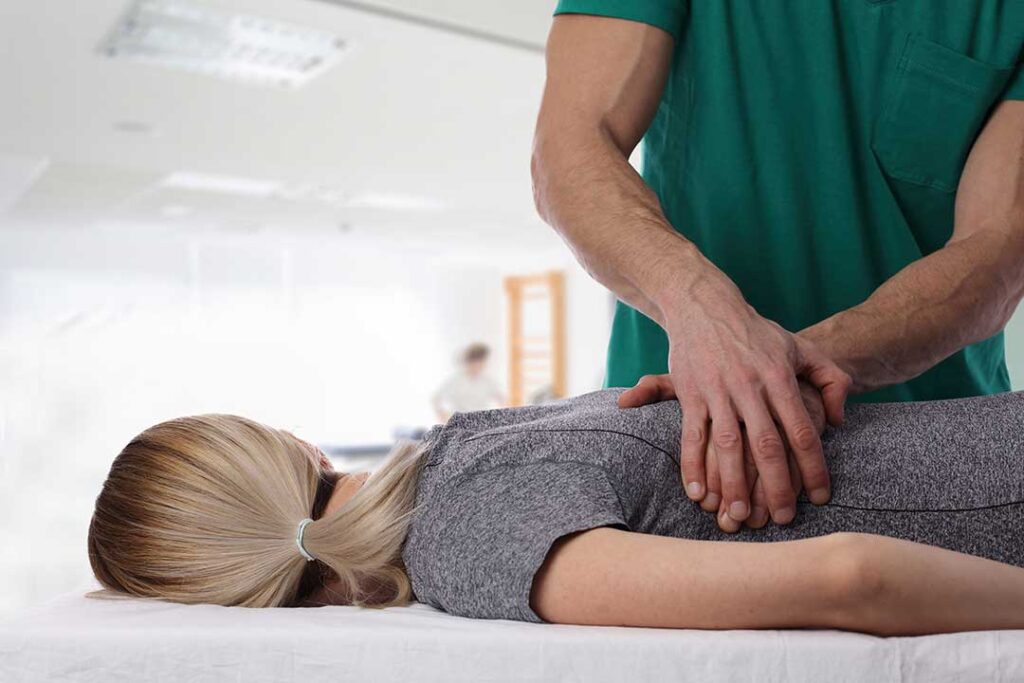
Recurring neck pain is often linked to a combination of sustained posture, repetitive movement, reduced strength, stress, sleep habits, or an earlier injury that never fully settled. Preventing another flare-up usually requires changing the daily pattern that keeps irritating the neck—not simply waiting for symptoms to disappear.
Why does neck pain keep returning?
Neck pain commonly returns when the original trigger remains in place. A person may feel better after resting for several days, then resume long periods of computer work, phone use, driving, lifting, or sleeping in an awkward position.
Common contributors include:
- Holding the head forward while looking at a laptop or phone
- Staying in one position for too long
- Repeated overhead work, carrying, or reaching
- Weakness in the upper back, shoulder, or deep neck muscles
- Tightness in the chest and shoulders
- Stress-related muscle tension
- A previous whiplash injury or strain
- Poor sleep positioning
The Centers for Disease Control and Prevention identifies repetitive work, forceful activity, and static awkward neck posture as recognized risk factors for neck-related musculoskeletal problems. ([cdc.gov](https://www.cdc.gov/niosh/ergonomics/ergo-programs/risk-factors.html?utm_source=openai))
A useful first step is to observe what happens during the hours before pain appears. Recurring symptoms often have a predictable pattern, such as worsening after a work shift, a long train or car ride, household chores, or evening screen use.
How should a home workstation be arranged?
A workstation should allow the head to remain balanced over the shoulders rather than pulled forward. The goal is not rigidly perfect posture; it is to reduce prolonged strain and make position changes easier.
Helpful adjustments include:
- Place the top portion of the monitor near eye level.
- Keep the screen directly in front of the body instead of angled to one side.
- Support the lower back so the upper body does not collapse forward.
- Keep elbows near the sides and shoulders relaxed.
- Use a separate keyboard and mouse if a laptop is used for extended periods.
- Avoid cradling a phone between the ear and shoulder.
- Stand, walk, or change position regularly rather than remaining seated for hours.
Residents working in compact apartments, shared rooms, or older homes may not have space for a permanent office. In that situation, even a temporary setup can be improved by raising the screen on sturdy books, using a supportive chair, and moving away from the table for short movement breaks.
A workstation change is most effective when paired with frequent posture variation. No single sitting position prevents pain if it is held continuously.
How often should someone move during the day?
Short, frequent movement breaks are generally more practical than one long stretching session at the end of the day. Every 20 to 30 minutes, change position, look across the room, roll the shoulders gently, or walk for a minute or two.
Movement should be comfortable and controlled. Examples include:
- Slowly turning the head from side to side
- Gently nodding up and down
- Drawing the shoulder blades slightly back and down
- Stretching the chest in a doorway
- Walking during phone calls
- Alternating sitting tasks with standing tasks
Avoid forcing a stretch into sharp pain, tingling, dizziness, or increasing arm symptoms. Gentle movement can help prevent stiffness, but aggressive neck circles, sudden self-manipulation, or repeated cracking may aggravate an already sensitive area.
Can strengthening exercises reduce repeat flare-ups?
Strengthening the neck, upper back, and shoulder muscles can help the body tolerate everyday activities more comfortably. Exercise is also commonly included in care plans for persistent or nonspecific neck pain. Evidence-based guidance supports exercise therapy for chronic neck pain, although the appropriate exercises depend on the person’s symptoms and physical condition. ([pmc.ncbi.nlm.nih.gov](https://pmc.ncbi.nlm.nih.gov/articles/PMC12620902/?utm_source=openai))
A basic routine may include:
- Chin retractions: gently draw the head backward without looking up.
- Wall angels: move the arms slowly while keeping the back supported against a wall.
- Shoulder-blade squeezes: bring the shoulder blades slightly together without shrugging.
- Light resistance-band rows: pull the band toward the ribs while keeping the neck relaxed.
- Walking or other general aerobic activity to reduce prolonged inactivity.
Begin with a small number of repetitions and stop if symptoms spread into the arm or become sharper. Strength should build gradually. Doing more exercise during a good day does not necessarily prevent the next flare-up; consistency is usually more useful than intensity.
What role do sleep and pillows play?
A pillow should keep the neck roughly aligned with the rest of the spine. A pillow that is too high can bend the neck sideways, while one that is too low may allow the head to drop backward or forward.
Many people do well sleeping on their side or back. Stomach sleeping often keeps the head rotated for several hours and may contribute to morning stiffness. If side sleeping, the pillow should fill the space between the shoulder and head without pushing the neck upward. If back sleeping, a lower pillow may be more comfortable, sometimes with additional support under the knees.
Morning pain can also reflect daytime habits from the previous day. A pillow change may help, but it should not be the only suspected cause.
How can local seasonal habits affect neck discomfort?
Seasonal routines can change how the neck is used. In colder months, people may spend more time indoors, work from a laptop on a sofa, or tense the shoulders against cold air. In warmer months, gardening, outdoor maintenance, sports, and carrying equipment may involve repeated reaching or overhead work.
Before unusual physical tasks:
- Warm up with walking and gentle shoulder movement.
- Break heavy or repetitive work into shorter periods.
- Keep loads close to the body.
- Use both hands when possible.
- Avoid looking upward for long periods.
- Change sides instead of repeatedly using the same arm.
The same principle applies to commuting and household work: vary the position, reduce prolonged looking downward, and avoid trying to complete a large task without rest.
Should recurring neck pain be evaluated?
Mild soreness that improves steadily with ordinary activity and self-care may not require urgent evaluation. However, recurring pain deserves attention when it repeatedly limits work, sleep, exercise, or daily movement.
Medical evaluation is especially important when pain:
- Continues for several weeks despite reasonable self-care
- Progressively worsens
- Travels into an arm or leg
- Occurs with numbness, tingling, weakness, or loss of coordination
- Follows a collision, fall, or other injury
- Occurs with severe headache, fever, or marked stiffness
Severe neck pain after trauma, new limb weakness, difficulty walking, or fever with a stiff neck can signal a condition requiring urgent medical care. ([mayoclinic.org](https://www.mayoclinic.org/symptom-checker/neck-pain-in-adults-adult/related-factors/itt-20009075?utm_source=openai))
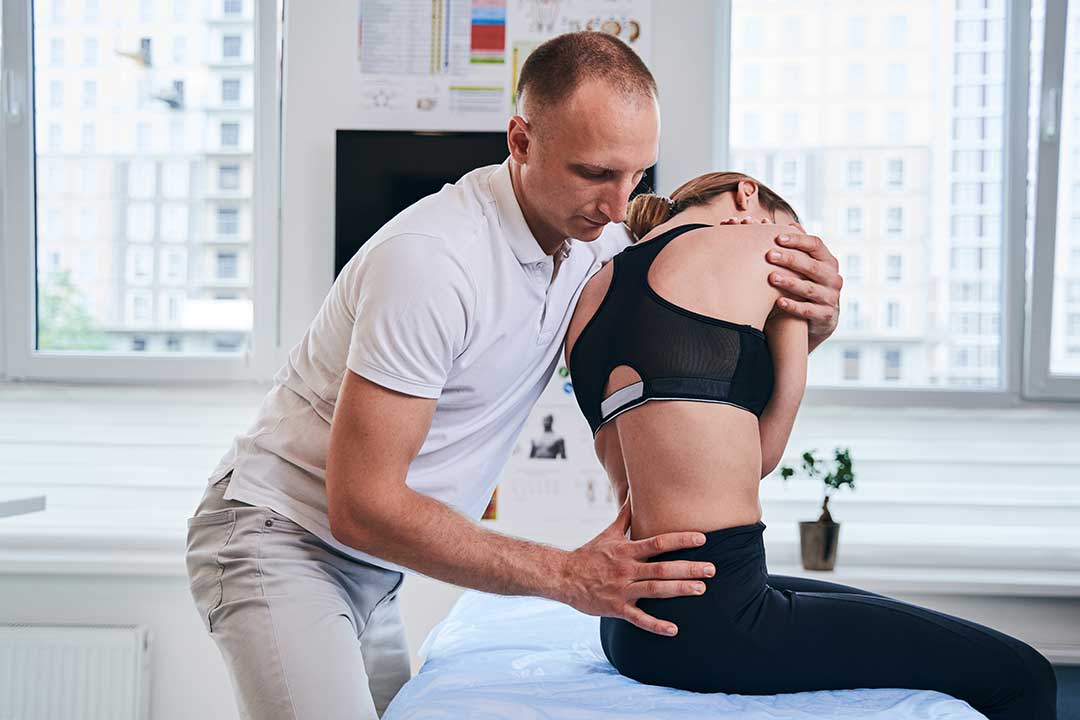
A chiropractor, physical therapist, primary care clinician, or other qualified healthcare professional may assess movement, strength, nerve symptoms, and contributing habits. The appropriate approach depends on the cause; recurring neck pain should not automatically be attributed to posture alone.
What is a realistic prevention plan?
A sustainable plan can be simple:
- Identify the activity that reliably precedes symptoms.
- Adjust the workstation, phone position, sleep setup, or lifting method.
- Move briefly and often during the day.
- Perform gentle mobility exercises without forcing range of motion.
- Add gradual upper-back and shoulder strengthening.
- Increase demanding activities in stages.
- Track warning signs before pain becomes severe.
The aim is not to keep the neck perfectly still or maintain a rigid posture. It is to build enough movement capacity, strength, and daily variation that ordinary activities are less likely to trigger the same cycle.
