
 See Our Latest Article on HelloNation
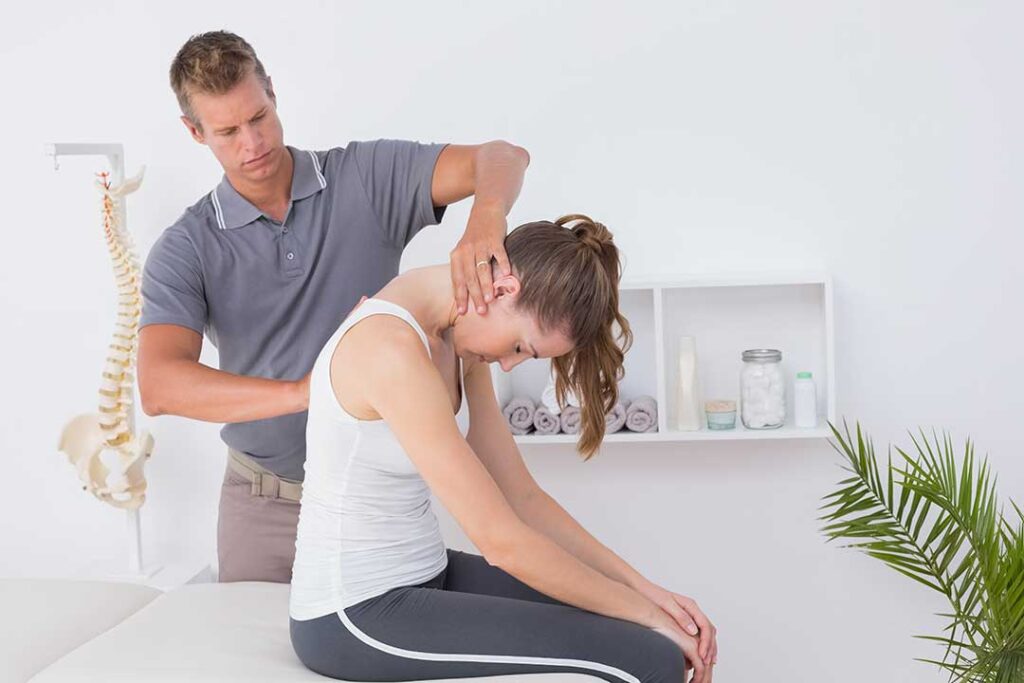
Clicking, popping, or grinding in the neck is often called neck crepitus. In many cases, the sound comes from normal movement of joints, tendons, or ligaments and is not dangerous—especially when there is no pain, stiffness, weakness, or loss of motion. However, new or persistent clicking accompanied by other symptoms deserves closer attention.
What creates the clicking sound?
Most neck sounds come from one of three sources: pressure changes inside a joint, soft tissues moving over nearby structures, or changes in the joint surfaces themselves. The sound does not necessarily mean that bones are breaking down or rubbing together. ([spine-health.com](https://www.spine-health.com/conditions/neck-pain/causes-neck-cracking-and-grinding-sounds?utm_source=openai))
The small joints in the cervical spine contain lubricating fluid. When the neck moves, pressure inside a joint can change and produce a popping sound. Tendons and ligaments may also shift slightly as the head turns, particularly when the surrounding muscles are tight or the neck has been held in one position for a long time.
A grinding or rough, repetitive sensation may have a different source. Wear in the joint cartilage, often related to osteoarthritis or prior injury, can make movement feel less smooth. This type of crepitus is more likely to occur with pain, stiffness, or reduced range of motion. ([spine-health.com](https://www.spine-health.com/conditions/neck-pain/causes-neck-cracking-and-grinding-sounds?utm_source=openai))
Is painless neck clicking usually serious?
Painless clicking that occurs occasionally is usually not a sign of a serious problem. Many people notice a pop when looking over a shoulder, getting out of bed, or changing posture after sitting at a desk. If movement remains comfortable and normal, the sound alone is generally less concerning than the symptoms surrounding it.
Residents with desk-based work, long commutes, frequent phone use, or household routines that involve looking downward may notice more sounds simply because the neck is spending more time in a fixed or bent position. Cold weather can also make muscles feel tighter, although temperature itself is not usually the underlying cause of joint clicking.
The sound should not be used as a diagnosis. Two people may have similar clicking but very different causes—or no identifiable cause at all.
Can poor posture cause clicking?
Poor posture may contribute indirectly. Holding the head forward for extended periods increases the workload on the neck and upper-back muscles. Muscle tension can change how the neck moves and may make tendon or ligament sounds more noticeable.
Common examples include:
- Looking down at a phone for long periods
- Working at a monitor that is too low or too far away
- Reading in bed with the head propped forward
- Carrying a heavy bag on one shoulder
- Sleeping with the neck twisted or poorly supported
- Repeating the same head movement during work, exercise, or household tasks
Posture does not mean that the neck is “out of place.” It is better understood as a movement and loading issue. Taking regular movement breaks, keeping screens closer to eye level, and changing positions can reduce strain. Mayo Clinic also recommends keeping the head centered over the spine, adjusting the workstation, and remaining physically active. ([mayoclinic.org](https://www.mayoclinic.org/diseases-conditions/neck-pain/symptoms-causes/syc-20375581?utm_source=openai))
Could arthritis or an old injury be involved?
Yes. Age-related changes in the cervical joints can cause stiffness, aching, and grinding. Osteoarthritis may gradually reduce the smoothness of joint movement, while an earlier injury—such as whiplash from a collision, a fall, or a sports incident—can affect the soft tissues and joints for months or years afterward.
Clicking by itself does not prove that arthritis is present. Signs that make joint degeneration or a lingering injury more plausible include:
- Pain that returns with the same movement
- Morning stiffness or difficulty turning the head
- A grinding sensation that occurs repeatedly
- Swelling or tenderness
- Symptoms that began after an accident or sudden impact
- Pain spreading into the shoulder, arm, or hand
Neck pain can also result from muscle strain, irritated nerves, or disc changes. A pinched nerve may cause pain, tingling, numbness, or weakness extending into an arm. ([mayoclinic.org](https://www.mayoclinic.org/diseases-conditions/neck-pain/symptoms-causes/syc-20375581?utm_source=openai))

Is it safe to intentionally crack the neck?
Occasional spontaneous popping is different from forcefully twisting or pulling the neck to make it crack. Repeated, forceful self-manipulation can strain muscles and may contribute to joint looseness or irritation. Rarely, sudden neck movements have been associated with injury to a vertebral artery, a blood vessel supplying the brain. ([health.clevelandclinic.org](https://health.clevelandclinic.org/is-it-safe-to-crack-your-neck?utm_source=openai))
This does not mean that every neck adjustment is dangerous, but pain, resistance, dizziness, or a need to crack the neck repeatedly are reasons to stop forcing the movement. A sound should not be chased as proof that a joint has been “put back” into position.
Gentle movement within a comfortable range is generally preferable to abrupt twisting. Heat, a brief walk, workspace adjustments, and regular breaks may help when muscle tension is contributing to the sensation.
When should neck clicking be evaluated?
Clicking deserves medical evaluation when it is new, persistent, worsening, or associated with pain or neurological symptoms. A clinician may consider the timing, injury history, range of motion, muscle findings, and nerve function before deciding whether imaging or other testing is needed.
Seek prompt medical attention for neck symptoms accompanied by:
- Numbness, tingling, or weakness in an arm or leg
- Pain traveling into the arm or leg
- Trouble with balance, coordination, or walking
- Severe headache, dizziness, fainting, or vision changes
- Fever with a markedly stiff neck
- Loss of bowel or bladder control
- Severe pain after a fall, collision, or other injury
Emergency care is appropriate for severe neck pain after significant trauma, or for sudden neurological symptoms. Mayo Clinic advises evaluation when neck pain is intense, persists beyond a few days, spreads to the limbs, or occurs with headache, numbness, weakness, or tingling. ([mayoclinic.org](https://www.mayoclinic.org/diseases-conditions/neck-pain/symptoms-causes/syc-20375581?utm_source=openai))
What information is useful to track?
Before an evaluation, note when the clicking occurs and what accompanies it. Useful details include whether the sound happens during rotation, looking up or down, rising from bed, or after prolonged screen use. Also note pain severity, stiffness, headaches, arm symptoms, recent injuries, and whether motion is becoming more limited.
The main question is not simply, “Why does my neck click?” It is, “What else is happening with the clicking?” A painless occasional sound is often benign. Clicking combined with pain, repeated grinding, restricted movement, or nerve-related symptoms provides a more meaningful reason for assessment.
